What to look for in fashion accessories stores before you buy
a[data-rs-seo-link]{text-decoration:underline!important;color:#1a56db!important;cursor:pointer!important;}a[data-rs-seo-link]{text-decoration:underline!important;color:#1a56db!important;cursor:pointer!important;}
Start with the role accessories will play in your wardrobe
Fashion accessories stores are easier to compare when the starting point is purpose, not impulse. A good accessory should support the way you already dress, rather than only looking attractive in a product photo. Before choosing a store, decide whether you are looking for everyday pieces, event-focused accents, seasonal updates, or versatile items that can work across several outfits. That first filter helps reduce purchases that feel exciting at checkout but rarely get worn.
For broader styling ideas, the Fashion Accessories section can be a useful starting point. When comparing stores, focus on product range, product clarity, styling flexibility, material information, and policies instead of relying only on trend language or heavy discounts.
Product range should match real outfit needs
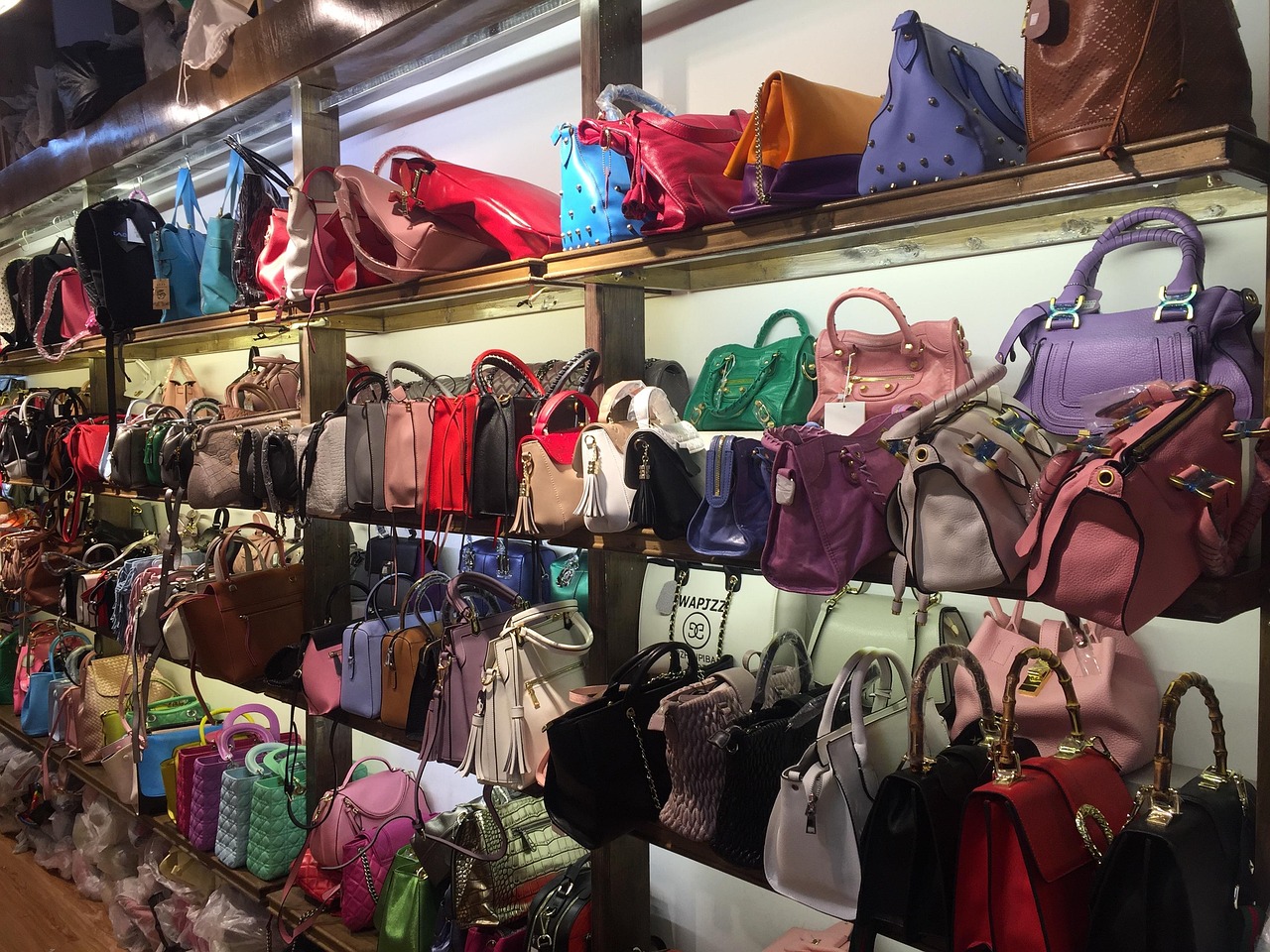
A strong accessories store does not need to carry every possible item. What matters is whether the assortment helps shoppers build complete, wearable looks. Accessories sit between function and expression: a belt changes proportion, a bag affects practicality, sunglasses frame the face, jewelry adds detail, and scarves or hats can change the tone of an outfit. Stores that organize these categories clearly make comparison much easier.
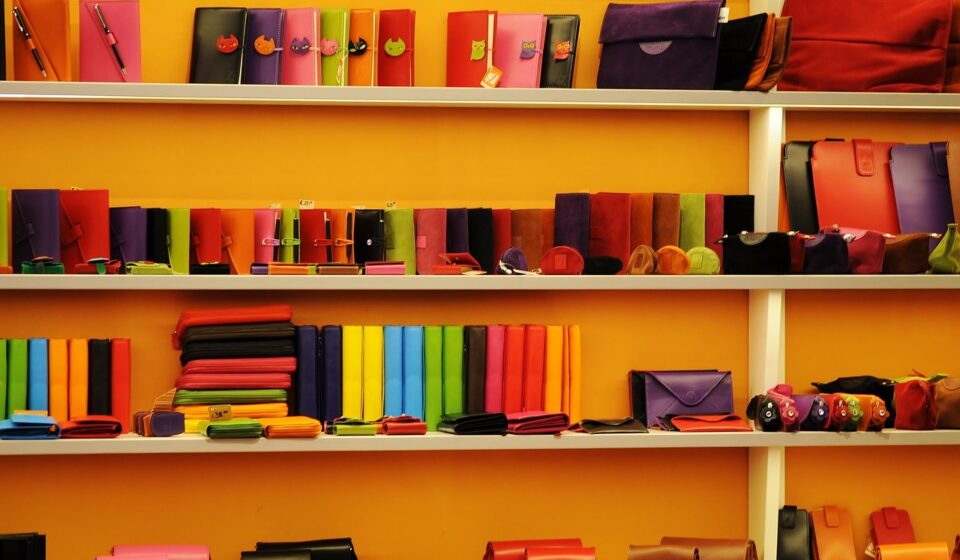
Look for balance in the range. If the assortment is too narrow, it may only serve one occasion or trend. If it is very broad but poorly organized, shoppers may spend more time scrolling than deciding. Useful stores make it simple to move between core categories such as bags, belts, jewelry, hair accessories, sunglasses, watches, hats, scarves, wallets, and small leather goods.
Everyday anchor pieces
Everyday accessories are the pieces most likely to justify their cost per wear. These may include simple hoop earrings, a neutral crossbody bag, a black or brown belt, a minimal watch, or a structured tote. For this type of purchase, the strongest stores usually provide clear dimensions, color information, closure details, and styling images that show the item at a realistic scale.
Statement and occasion pieces
Statement accessories serve a different purpose. They add visual interest, contrast, or a specific mood. A sculptural necklace, metallic clutch, bold hair clip, embellished belt, or colored sunglasses can be useful even if it is not worn every week. For these items, product pages should give enough detail to judge whether the piece can work beyond one outfit or one event.
Seasonal items without overbuying
Seasonal accessories can refresh a wardrobe, but they are also easy to overbuy. Summer may increase demand for straw bags, sunglasses, lightweight scarves, and hair accessories. Colder months may bring hats, gloves, heavier scarves, darker leather goods, and textured materials. A helpful store presents seasonal options in a way that still supports practical decision-making, rather than making every item feel urgent.
Material and construction details are more useful than vague style claims
Words such as chic, luxe, elevated, or must-have can describe a mood, but they do not explain how an accessory is made. When comparing fashion accessories stores, product pages should provide specific information that helps buyers understand durability, care, and appearance. This is especially important for accessories that are handled often, including handbags, belts, wallets, sunglasses, and jewelry.
For bags and small leather goods, useful details include exterior material, lining, hardware tone, closure type, strap length, pocket layout, and approximate dimensions. For jewelry, shoppers should look for metal type, plating information, stone or bead material, closure style, and care guidance. For sunglasses, frame material, lens category, measurements, and protection information are relevant. For scarves and hats, fiber content and care instructions matter because they affect comfort and maintenance.
Clear product information does not automatically prove quality, but it reduces uncertainty. A store that gives shoppers enough detail to compare materials and construction is more useful than one that depends on polished images without specifications.
- Dimensions: Help shoppers understand scale, fit, and carrying capacity.
- Material composition: Helps estimate texture, weight, maintenance needs, and potential sensitivity.
- Hardware and closures: Important for durability and ease of use.
- Care instructions: Useful for jewelry, leather goods, scarves, and embellished pieces.
- Multiple product images: Front, back, side, interior, and worn views reduce guesswork.
Store policies can change the real cost of buying accessories
Accessories can be difficult to judge online because size, weight, shine, color, and texture may look different in person. A low price becomes less attractive if returns are restrictive, shipping costs are unclear, or product information is incomplete. For that reason, store policies should be part of the buying decision, not something checked only after a problem occurs.
| Policy or detail | Why it matters for accessories | What to check before buying |
|---|---|---|
| Return window | Accessories may look different with your clothing or proportions | Number of days, condition requirements, and final-sale exclusions |
| Shipping cost | Low-priced items can become less affordable after fees | Thresholds, delivery estimates, and regional limits |
| Product measurements | Scale affects bags, belts, sunglasses, hats, and jewelry | Length, width, depth, strap drop, circumference, or lens width |
| Care guidance | Some materials need careful storage or cleaning | Cleaning instructions, water sensitivity, and storage advice |
| Customer support | Questions often arise around sizing, color, or materials | Contact options and response expectations |
Policies are especially important for sale items and trend-led accessories. Some stores mark discounted products as final sale, which may be reasonable, but shoppers should know that before checkout. A transparent store makes these conditions easy to find rather than placing them deep in the purchase path.
Trend-led stores and classic accessory retailers serve different needs
Not all fashion accessories stores should be judged by the same standard. Some specialize in fast-moving trends, while others focus on classic pieces that change slowly. Both can be useful, but they support different shopping goals.
Trend-led stores are helpful when a shopper wants to test shape, color, surface texture, or styling direction without making a long-term commitment. Examples include oversized bows, novelty bags, colorful resin jewelry, bold metallic finishes, or playful hair accessories. The main risk is buying into a short-lived look that does not fit the rest of the wardrobe.
Classic accessory retailers are more useful when the goal is consistency. Neutral belts, simple leather goods, refined scarves, minimal jewelry, and structured handbags can remain useful across seasons because they are less dependent on one trend cycle. The trade-off is that classic pieces may feel less exciting at first glance, so shoppers need to pay closer attention to proportion, finish, and practical use. See also: Apparel Products.
The practical approach is not to choose one type forever. Many wardrobes benefit from a core of dependable accessories with a smaller number of trend or statement items layered in. This keeps outfits current without making every purchase feel disposable.
How to compare fashion accessories stores before checkout
A simple comparison process can reduce buyer regret. Instead of asking only whether a store looks stylish, ask whether it gives you enough information to make a confident choice. The following checklist works for online stores, boutique retailers, department store accessory sections, and marketplace sellers.
- Define the use case. Decide whether the item is for daily wear, work, travel, an event, gifting, or seasonal styling.
- Check compatibility. Picture the accessory with at least three outfits you already own. If that is difficult, the item may be less versatile than it appears.
- Review scale and measurements. Accessories can overwhelm or disappear depending on proportion. Measurements matter more than product names.
- Look beyond the first photo. Worn images, close-ups, and interior views often reveal more than a highly styled cover image.
- Read material details. Avoid assuming that a product is durable simply because the image is polished.
- Check return conditions. This is especially important for earrings, hair accessories, sale items, personalized products, and delicate goods.
- Compare total cost. Include shipping, duties where relevant, return fees, and care requirements.
- Pause before buying multiples. If a store encourages bundling or rapid checkout, make sure each item has a clear role.
This process does not remove personal taste from shopping. It gives personal taste a more reliable framework. Accessories should still feel enjoyable, expressive, and individual, but they should also work with the way a person lives and dresses.
Common buying mistakes to avoid
The most common mistake is buying an accessory only because it is trending. A trend can be a useful signal, but it should not replace fit, function, and wardrobe compatibility. Another frequent issue is ignoring scale. A mini bag may look charming in a photo but fail to hold everyday essentials; a wide belt may change an outfit dramatically but feel uncomfortable when sitting; oversized earrings may look strong but feel too heavy for long wear.
Color assumptions can also lead to disappointment. Screens, lighting, and editing can make metals, leathers, fabrics, and stones appear warmer, cooler, brighter, or darker than they are. Product descriptions that name the color family and show the item in more than one lighting condition are more helpful than images alone.
Finally, shoppers should be cautious with vague premium language. An item described as luxurious, designer-inspired, or boutique-style still needs material, construction, and policy details. Reliable buying decisions come from evidence on the product page, not from adjectives.
Frequently asked questions
What makes a fashion accessories store worth considering?
A store is worth considering when it combines a relevant product range, clear images, useful measurements, material details, reasonable policies, and a shopping experience that helps buyers compare items without confusion. Style matters, but clarity matters just as much.
Should I buy trendy or classic accessories first?
For most wardrobes, classic accessories are easier to use frequently because they pair with more outfits. Trend-led pieces can still be worthwhile when they match your existing style and fill a specific role, such as adding color, texture, or personality to simple clothing.
How many accessories does a wardrobe need?
There is no fixed number. A smaller wardrobe may only need a few reliable pieces, such as a daily bag, a belt, simple jewelry, sunglasses, and a scarf or hat for seasonal use. The better question is whether each accessory has a clear function or styling purpose.
Are online fashion accessories stores harder to evaluate than physical stores?
They can be, because shoppers cannot feel weight, texture, or fit before buying. However, online stores can narrow that gap by providing measurements, close-up images, worn views, material details, care instructions, and transparent return policies.
What should I check before buying accessories as a gift?
Choose items with flexible sizing and broad styling appeal, such as scarves, small leather goods, minimal jewelry, hair accessories, or neutral bags. Check return rules, packaging information, and material details that may matter to the recipient.
The practical takeaway
The most useful fashion accessories stores help shoppers make better decisions, not just faster purchases. Clear product categories, accurate measurements, material information, realistic images, and transparent policies all contribute to a better buying experience. Style remains personal, but the decision process can be structured. When shoppers start with wardrobe needs, compare details carefully, and treat policies as part of the product, accessories become more than impulse additions. They become small, strategic choices that improve how outfits look, function, and feel.