The 2026 style trend shift is about personal uniforms, not one look
a[data-rs-seo-link]{text-decoration:underline!important;color:#1a56db!important;cursor:pointer!important;}a[data-rs-seo-link]{text-decoration:underline!important;color:#1a56db!important;cursor:pointer!important;}
Why the 2026 style trend is not one aesthetic
As of October 2026, the clearest style trend is not a single silhouette, color, or viral aesthetic. The stronger shift is toward personal uniforms: repeatable outfit formulas that can be adjusted through proportion, texture, color, and accessories. Vogue’s spring 2026 runway reporting framed the season as a reset that became a remix, with uniform dressing, rococo flourishes, scarf styling, fringe, jersey movement, and nostalgic references all appearing at once. Pinterest’s 2026 trend report points in the same direction: curation over copying, with many consumers saying they only participate in trends that suit them. For readers tracking broader fashion shifts, this makes 2026 less about chasing every micro-trend and more about building a flexible wardrobe language. You can explore more fashion context in our Trend Guides. (vogue.com)
The practical takeaway is straightforward: the new direction rewards editing. A person can wear a khaki shirt, wide-leg trousers, a scarf top, a sculptural belt, or an icy blue accessory without adopting an entire runway mood. The most useful trend move is not to look new every day, but to look intentional.
The evidence behind the shift
Several credible industry signals point in the same direction. On the runway side, spring/summer 2026 reports emphasized a broad creative reset, including nearly 15 newly appointed creative directors shaping major fashion houses. Vogue described the mood as expressive, celebratory, and personal rather than dominated by one rigid look. That matters because runway trends are most useful when they reveal a shared mood across collections, not when they simply produce a shopping list. (vogue.com)
Consumer behavior tells a similar story. Pinterest Predicts 2026 identified nonconformity, self-preservation, and escapism as drivers across its annual trend forecast. According to the report, 42% of global respondents only participate in trends that suit them. Its highlighted fashion trend Glamoratti connected renewed interest in 1980s-inspired styling with search growth for baggy suits, high-collar jackets, chunky belts, gold cuffs, and 80s luxury. Pinterest also flagged Cool Blue as a cross-category direction, with rising interest in icy blue and glacier aesthetics. (newsroom.pinterest.com)
Market conditions help explain why wearability is so important. The Business of Fashion and McKinsey’s State of Fashion 2026 report, published on November 17, 2025, said fashion executives most often used the word challenging to describe the year ahead. Tariffs, value-conscious consumers, low single-digit growth expectations, and technology disruption were all shaping the market outlook. In that environment, trends that refresh existing wardrobes are easier to justify than trends that require a full reset. (mckinsey.com)
| Signal | What it suggests | Wardrobe implication |
|---|---|---|
| Runway reports | Multiple directions are active at once, including uniform dressing, scarf styling, fringe, soft structure, and romantic flourishes. | Choose a base formula, then add one expressive detail rather than copying a full look. |
| Consumer search | People are looking for nostalgic glamour, cool blue tones, bolder accessories, and pieces that feel personal. | Small updates such as belts, cuffs, scarves, color accents, and jackets can carry the trend. |
| Market pressure | Shoppers are more value-aware, and brands are under pressure to prove quality and relevance. | Buy less, but make each piece work harder across outfits. |
| Trend forecasting | Heuritech’s SS26 trend framing points to quiet minimal codes coexisting with bold self-expression, prints, color symbolism, and personalized styling. | Minimalism is not gone; it is being personalized through detail and contrast. (heuritech.com) |
Four style directions shaping wardrobes
1. Personal uniforms
Uniform dressing is one of the most practical ideas to come out of the 2026 style conversation because it translates easily into daily wardrobes. A personal uniform is not a boring repeat outfit. It is a reliable formula: a blazer and fluid trouser, a button-down and long skirt, a knit top and cargo pant, or a dress and flat shoe combination that can be adjusted by season and occasion. Vogue’s spring 2026 report connected uniform dressing with khaki shades and military references, but the everyday version can be softer: olive, stone, navy, black, cream, or denim used as the base of a repeatable wardrobe.
The idea feels current because it reduces decision fatigue while still leaving room for identity. Instead of asking, What is the trend today, the better question is, What is my repeatable base, and what detail makes it feel current?
2. Romantic detail with restraint
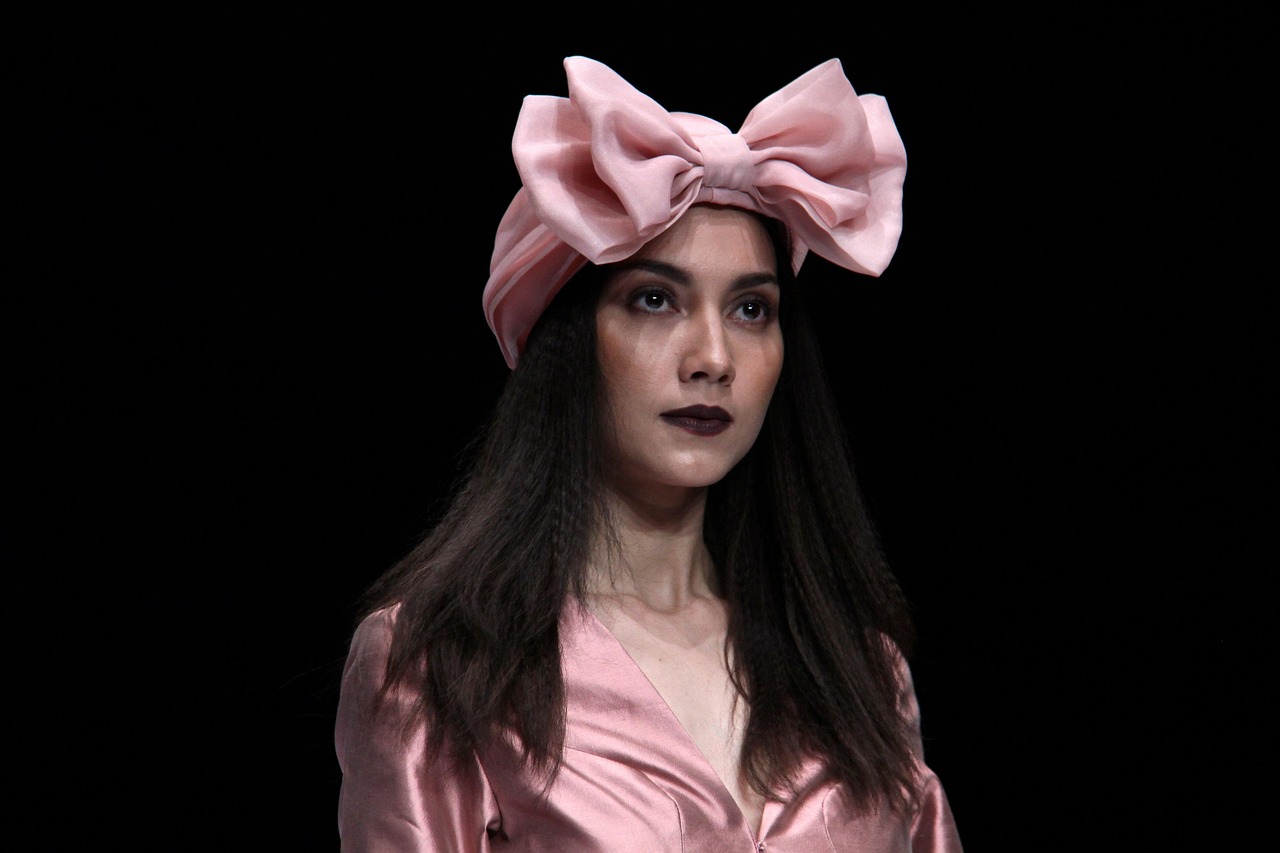
Ruffles, lace, bows, petticoat references, drop waists, and rococo flourishes appeared across spring 2026 runway coverage, but the wearable version is controlled. One romantic element usually works better than several competing references. A lace-trim camisole under a boxy jacket, a bow at the neck of a shirt, a softly gathered skirt with a plain knit, or a frilled collar under a utility jacket can make the mood feel modern rather than costume-like.
This is where the personal uniform becomes useful. A practical base gives decorative detail somewhere to land. Without that grounding, romance can feel too literal. With it, the look becomes a contrast between structure and softness.
3. Expressive color and print
Color is becoming a lower-risk way to update style. Icy and pale blues are easy entry points because they work with denim, gray, white, chocolate brown, navy, and black. Pinterest’s Cool Blue direction is useful because it is not limited to one product category; it describes a mood that can move from makeup and accessories into shirts, dresses, swimwear, and occasion looks. (create.pinterest.com)
Print is also shifting from loud novelty to selective personality. Polka dots, scarf prints, checks, animal patterns, and nostalgic florals can all work when they are treated as accents or anchors rather than clutter. A printed scarf top, dotted skirt, or patterned shoe can refresh an otherwise simple outfit. The key is to balance print with negative space: solid trousers, a clean jacket, or simple footwear.
4. Accessories as trend translators
Accessories are the fastest way to participate without overbuying. The 2026 conversation around jewelry, belts, scarves, and eyewear is not only aesthetic; it also fits a market where shoppers are looking for value and longer use. McKinsey highlighted jewelry as a bright category, noting that its 2026 fashion outlook expected jewelry unit sales to grow faster than clothing. The same report also pointed to resale growth and value-seeking behavior, which supports the idea that shoppers are looking for pieces with stronger identity and more lasting relevance. (mckinsey.com)
A belt can change proportion. A cuff can make a white shirt feel styled. A scarf can become a top, belt, neck detail, bag accent, or hair accessory. Statement glasses can shift the mood of basics. These pieces make sense because they update the outfit system rather than replacing the entire wardrobe. See also: Apparel Products.
How to wear the shift without buying a new closet
Start by identifying your base uniform. Choose two or three outfit formulas you already wear often. Examples include a shirt with trousers, a knit with a midi skirt, denim with a blazer, or a simple dress with flats. Then add one current element at a time. If your base is minimal, try an icy blue shirt, a sculptural belt, a scarf print, or a gold cuff. If your base is already colorful or print-heavy, use a cleaner shoe, sharper jacket, or plain trouser to make the look feel edited.
- Use the one-detail rule. Combine a practical base with one expressive detail such as fringe, lace, a scarf, a bold cuff, or a high collar.
- Refresh proportion before replacing pieces. Tuck, belt, layer, cuff sleeves, or change shoe shape before assuming you need something new.
- Let color work as an accent. Icy blue, chocolate brown, khaki, cream, and metallic gold can update familiar outfits without overwhelming them.
- Shop secondhand or archive first. Nostalgic trends often already exist in resale, vintage, or personal wardrobes.
- Avoid trend stacking. A baggy suit, chunky belt, icy blue shirt, lace collar, and scarf print can each work, but not necessarily in the same outfit.
This approach keeps the trend practical. It also reflects the reality that many shoppers are more cautious about spending. When clothing prices, economic uncertainty, and trend fatigue all shape behavior, a smarter wardrobe strategy is more useful than a longer wish list.
What this means for fashion brands and style publishers
For fashion brands, the 2026 style trend shift suggests that product storytelling should move away from single-aesthetic claims and toward outfit systems. A shirt is more compelling when shown as part of a work formula, weekend formula, and evening formula. A belt is more valuable when it visibly changes silhouette. A scarf is more persuasive when it is styled three ways. This is especially important as consumers compare purchases more carefully and expect products to justify their role in a wardrobe.
For publishers and trend editors, the opportunity is to explain why trends are happening, not just what is trending. Readers need help separating runway theater from wearable signals. A transparent bottom or exaggerated pannier may be a runway idea; the everyday translation might be sheer layering, a voluminous skirt, or a romantic trim. A military reference might become a khaki shirt jacket. A Jazz Age dress might become a drop-waist summer silhouette. The value is in translation.
The strongest content angle is therefore not a rigid top-ten list. It is a guide to choices: what to try, what to skip, what to reinterpret, and how each piece connects to existing wardrobes. That is where trend coverage becomes genuinely useful.
Frequently asked questions
What is the main style trend of 2026?
The main style trend of 2026 is personal dressing built around repeatable wardrobe formulas. Instead of one dominant aesthetic, the year combines uniform dressing, expressive color, romantic detail, nostalgic glamour, and accessory-led updates.
Are quiet luxury and minimalism over?
No. Minimalism is not disappearing; it is becoming less anonymous. Clean tailoring, neutral colors, and restrained silhouettes still work, but they feel more current when personalized with texture, proportion, jewelry, scarf styling, or an unexpected color accent.
What is the easiest 2026 trend to try first?
Accessories are the easiest starting point. A sculptural belt, gold cuff, scarf, icy blue bag, high-collar jacket, or statement eyewear can update familiar outfits without requiring a full wardrobe change.
How can I follow trends without overbuying?
Begin with pieces you already wear, then add only one trend element that improves your existing outfit formula. If a piece cannot work in at least three outfits, it may be a mood purchase rather than a useful wardrobe update.
Why does this trend shift matter?
It matters because it reflects a more realistic relationship with fashion. People still want novelty and self-expression, but they also want value, comfort, flexibility, and clothes that feel personally relevant. The strongest 2026 looks balance those needs instead of choosing only one.