Fashion and accessories in 2026 that shape personal style
a[data-rs-seo-link]{text-decoration:underline!important;color:#1a56db!important;cursor:pointer!important;}a[data-rs-seo-link]{text-decoration:underline!important;color:#1a56db!important;cursor:pointer!important;}
Accessories are no longer an afterthought
Fashion and accessories in 2026 are being shaped by a practical tension. Shoppers still want newness, but they are more selective about price, quality, usefulness and personal meaning. That puts accessories in a stronger position. A belt can change a silhouette, a scarf can restyle a coat, jewelry can make basics feel intentional, and a secondhand bag can offer value without feeling disposable. Business of Fashion and McKinsey describe 2026 as a challenging year for the industry, with tariffs, value pressure and changing consumer behavior high on executives’ agendas. In that setting, accessories matter because they let people update their style without rebuilding an entire wardrobe. (mckinsey.com)
For readers following fashion accessories, the useful question is not only which items are trending. It is why certain accessories are gaining attention, how they fit into real wardrobes, and which choices are likely to stay relevant beyond one season.
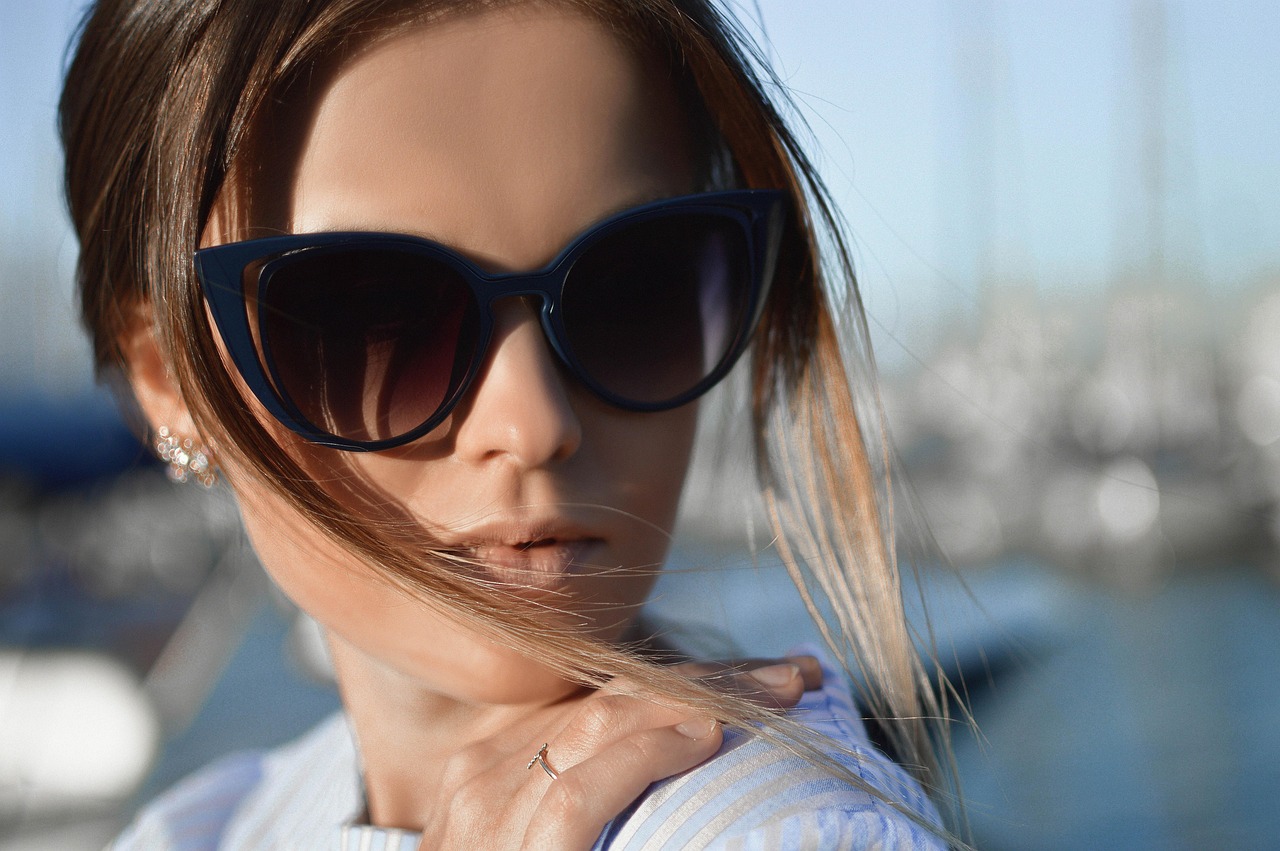
Why accessories matter in a value-conscious fashion cycle
The wider fashion market is under pressure, and that context is important. In the State of Fashion 2026 report, 46% of surveyed fashion executives said they expected industry conditions to worsen in 2026, while tariffs were cited as the number-one hurdle. The same report notes that customers are increasingly looking for value, not simply lower prices. They want products that feel worth the cost through design, durability, craftsmanship or versatility. (mckinsey.com)
Accessories fit that mood because they create visible change at a range of price points. A shopper may postpone buying new outerwear, but still buy a scarf, belt, sunglasses, hair accessory, small leather good or jewelry piece that refreshes what they already own. This does not make every accessory a smart purchase. It does mean the category is well suited to more considered buying, especially when an item solves a styling problem or adds repeatable impact.
There is also an emotional reason accessories perform well. They sit close to identity. A brooch inherited from a relative, a charm necklace assembled over time, a watch worn daily or a bag chosen for a commute can carry more personal meaning than a seasonal top. In 2026, this mix of utility, self-expression and value is making accessories a core part of everyday styling rather than a final add-on.
The accessory directions defining 2026
Runway reporting, consumer trend platforms and industry analysis point to several accessory directions with practical relevance. These should be read as signals, not rules. The strongest trends are adaptable enough to work with clothes people already own.
Jewelry becomes the everyday investment layer
Jewelry is one of the clearest growth stories within accessories. Business of Fashion and McKinsey report that jewelry is forecast to be the fastest-growing fashion category by unit sales, growing at more than four times the rate of clothing. The report connects this to slower average price increases in jewelry compared with other apparel categories, consumer interest in lasting purchases and a rise in self-gifting among both men and women. (mckinsey.com)
For styling, this supports a move away from jewelry as purely formal decoration. Chains, cuffs, rings, pearls, charms and brooches can become daily signatures. A practical approach is to choose one consistent metal tone or one recurring motif, then build around it gradually. That keeps the look personal without turning every outfit into a pile-on exercise.
Brooches, charms and tokens make fashion more personal
Pinterest’s 2026 trend work highlights emerging aesthetics across fashion, beauty, home and culture, based on search and visual engagement signals. Its report includes a brooch-related trend, and Pinterest says its annual predictions have had an 88% realization rate over the past six years. (business.pinterest.com)
Brooches are useful because they are small, expressive and flexible. They can move from a blazer lapel to a coat, knit, scarf, hat or bag strap. Charm jewelry works in a similar way. Vogue’s September 4, 2026 accessory trend coverage noted floral brooches, charm jewelry, statement hats, stoles, opera-length gloves and pearls among fall accessory directions, showing how visible ornamentation is returning to wardrobes. (vogue.com)
Belts, scarves and hats reshape familiar outfits
The most practical accessories of 2026 may be the ones that change proportion. Belts can define relaxed tailoring, sharpen denim or turn a loose dress into a more structured look. Scarves can be worn at the neck, around the waist, over the shoulders, on a bag handle or as a hair accent. Vogue’s fall 2026 reporting specifically described fringe scarves and stoles as flexible pieces that can be draped, knotted at the waist or worn over coats. (vogue.com)
Hats are also moving beyond basic function. Structured wool, felt and sculptural shapes can change the tone of an outfit more strongly than a simple beanie or baseball cap. Balance matters here. If the hat is the statement, keep jewelry and bag shape quieter. If the scarf is printed and dramatic, choose a belt with clean hardware.
Smart eyewear moves closer to fashion
Technology is also entering the accessory conversation. Business of Fashion and McKinsey identify smart eyewear as an accessory format poised for a breakout year, with 2026 product launches expected to balance function and fashion more effectively than earlier wearable devices. (mckinsey.com)
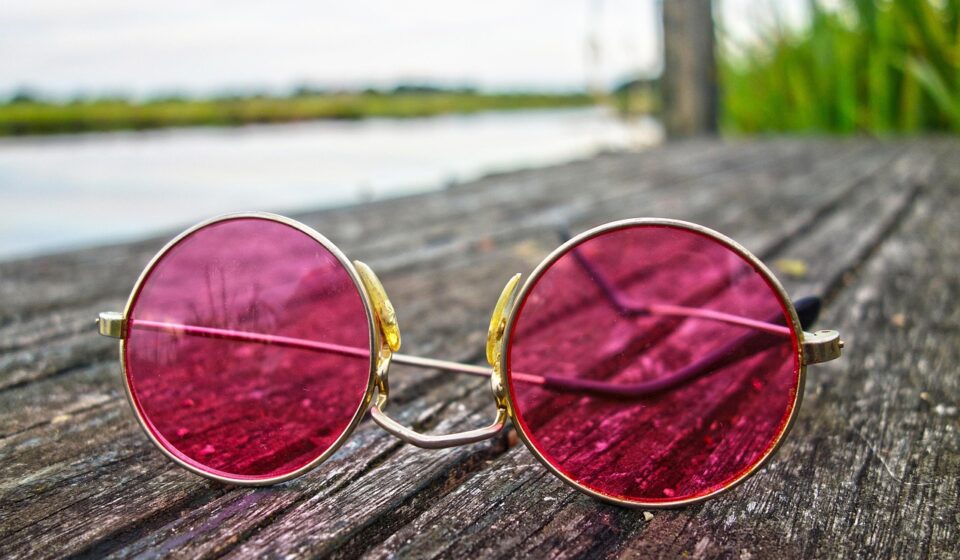
This matters because eyewear already carries style value. If connected features become less visually intrusive, shoppers may judge smart glasses by the same standards as sunglasses and optical frames: face shape, comfort, lens quality, color and how the frame works with daily clothing. The fashion lesson is straightforward: wearable technology has to look wearable before it can become a true accessory.
How to style accessories without overbuying
A useful accessory strategy starts with wardrobe gaps, not trend lists. The goal is to choose items that create multiple outfit outcomes. A scarf that only works with one dress is less valuable than a scarf that works with coats, blazers, denim and bags. A bold cuff that makes five plain outfits feel finished may be more useful than several novelty items that rarely leave the drawer. See also: Apparel Products.
| Wardrobe need | Accessory move | Why it works |
|---|---|---|
| Basic outfits feel flat | Add a brooch, charm necklace or cuff | Small details create a focal point without changing the whole outfit |
| Loose layers lack shape | Use a medium-width belt | It defines proportion and makes relaxed clothing look intentional |
| Outerwear feels repetitive | Rotate scarves, gloves or hats | Cold-weather outfits often show accessories more than clothing underneath |
| Workwear feels too formal | Add softer jewelry or a textured bag | Accessories can make tailoring feel less rigid |
| Weekend looks feel unfinished | Use sunglasses, a crossbody bag or hair accessory | Functional pieces add polish while staying comfortable |
Color also matters. A wardrobe built around black, denim, white and gray can handle stronger accessories: burgundy gloves, a printed silk scarf, silver hardware, tortoiseshell sunglasses or a vivid bag charm. A wardrobe already full of print may benefit from quieter accessories in leather, suede, pearl, brushed metal or tonal fabric.
Resale, durability and product information are changing expectations
Secondhand fashion is becoming part of mainstream accessory behavior, especially for bags, belts, watches, jewelry and scarves. ThredUp’s 2026 Resale Report projects the global secondhand apparel market will reach $393 billion by 2030 and grow twice as fast as the overall apparel market. Although the report covers apparel broadly, accessories benefit from many resale-friendly traits: smaller size, durable materials, brand recognition and the ability to be styled across seasons. (thredup.com)
Resale also changes how people think about value. A buyer may be more willing to invest in a leather belt, structured bag or quality jewelry piece if it has a potential second life. This does not make every branded accessory a good investment, and resale prices can vary widely. Condition, authenticity, material, repairability and timelessness all matter.
Product information is becoming more important too. In the European Union, the Digital Product Passport is being introduced progressively under the Ecodesign Regulation. The European Commission says the passport is intended to store product, component and material information that can support sustainability, circularity and compliance, with textiles among the product groups expected to follow in 2027. (single-market-economy.ec.europa.eu)
For shoppers, this points to a broader shift: future fashion and accessories may be judged not only by appearance, but also by what can be known about origin, materials, repairability and end-of-life options. Even outside the EU, that mindset is likely to influence how brands communicate quality and how consumers compare products.
A practical buying checklist for fashion and accessories
Before buying an accessory, ask five questions. First, does it work with at least three outfits you already wear? Second, does it solve a real styling need, such as adding shape, color, texture, polish or function? Third, are the materials appropriate for how often you plan to use it? Fourth, will the scale suit your body, wardrobe and lifestyle? Fifth, can it be repaired, cleaned, adjusted, resold or passed on?
- For jewelry: check closures, plating, metal sensitivity, weight and whether the piece works alone or layered.
- For belts: consider width, hole placement, buckle finish and whether it works with trousers, dresses and coats.
- For scarves: look at fiber, size and drape. A square silk scarf, long wool scarf and lightweight printed scarf serve different purposes.
- For bags: test capacity, strap comfort, closure security and whether the shape suits your daily routine.
- For eyewear: prioritize fit, lens quality, face proportion and comfort before trend color or logo detail.
The strongest accessory wardrobe is not necessarily large. It is edited. A few pieces with distinct roles can create more style range than a drawer of impulse purchases. In 2026, that is the most relevant lesson: accessories should make personal style easier to express, not harder to manage.
Frequently asked questions
What accessories are most relevant in 2026?
Jewelry, brooches, charm details, belts, scarves, structured hats, expressive gloves, eyewear and versatile bags are among the most visible accessory directions. The most wearable choices are those that update items already in your wardrobe.
Are fashion accessories worth investing in?
They can be, but only when quality, versatility and use frequency justify the cost. A durable belt, bag, watch, scarf or jewelry piece worn often may deliver better value than several cheaper items that are rarely used.
How many accessories should an outfit have?
There is no fixed number. A simple rule is to choose one main focal point and one supporting detail. For example, pair a statement brooch with small earrings, or a bold scarf with a quiet bag.
How can accessories make old clothes feel current?
Use accessories to change proportion, texture and mood. A belt can reshape a coat, a scarf can add color, modern eyewear can sharpen basics, and jewelry can make a plain sweater or shirt feel styled.