Self care tips for a calmer daily routine and effortless style
a[data-rs-seo-link]{text-decoration:underline!important;color:#1a56db!important;cursor:pointer!important;}a[data-rs-seo-link]{text-decoration:underline!important;color:#1a56db!important;cursor:pointer!important;}
Good self care tips do not need to be expensive, elaborate, or added on top of an already overloaded day. The useful ones are usually small, repeatable choices that protect sleep, energy, mood, comfort, and confidence. A realistic routine might include regular movement, simple meals, firmer boundaries, a calmer evening wind-down, and personal care habits that make getting ready feel easier. Public guidance from organizations such as the National Institute of Mental Health, the CDC, and the American Heart Association points to a consistent theme: the basics matter most when they are practiced regularly. For more everyday routine ideas, explore our Care Tips section.
What self care really means in everyday life
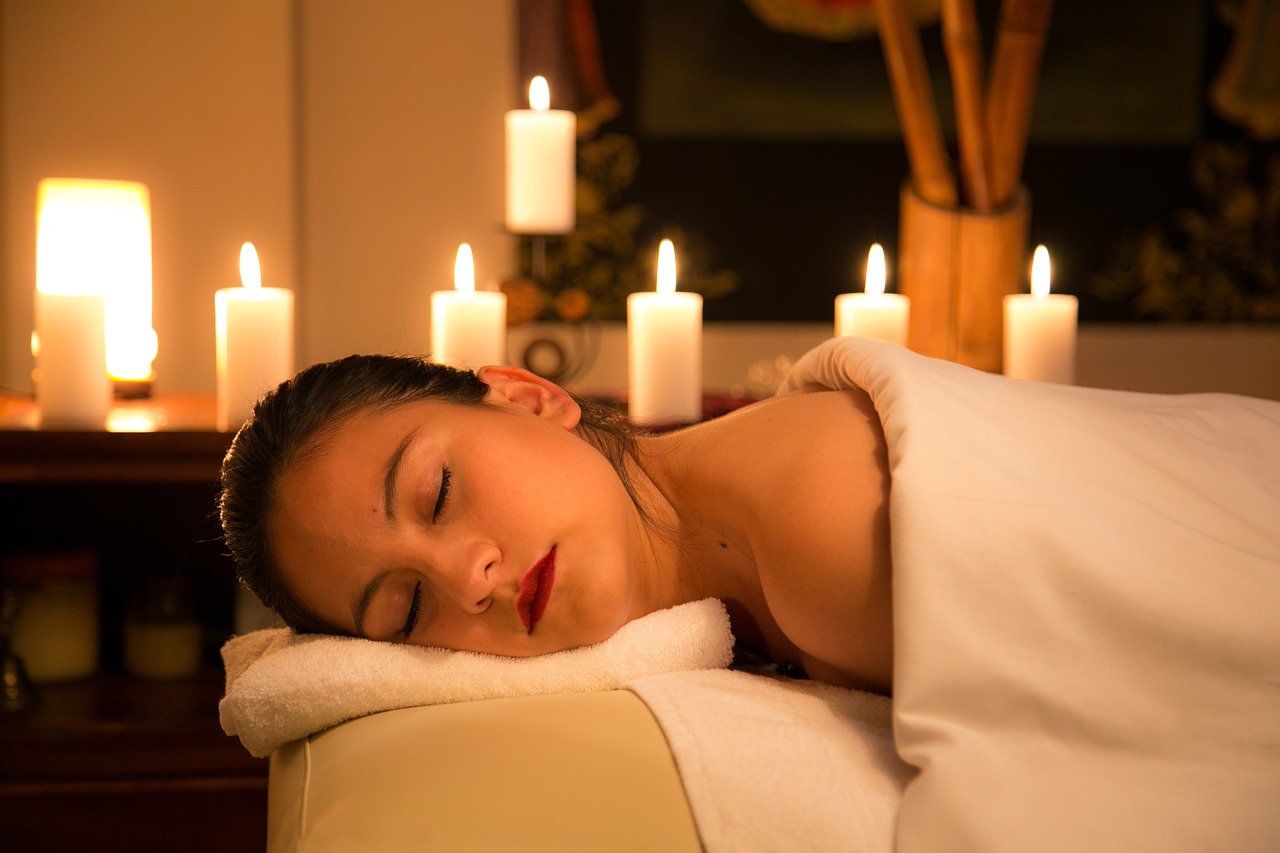
Self care is often shown as a spa day, a new product, or a perfectly styled morning routine. Those things can be enjoyable, but they are only one part of the picture. In practical terms, self care means choosing habits that help you live, work, rest, and connect with other people in a more sustainable way.
The National Institute of Mental Health describes self-care as actions that help support both physical and mental health. That framing is useful because it removes the pressure to make self care look glamorous. Drinking water, walking outside, preparing clothes for tomorrow, turning off a screen before bed, and asking for help can all be forms of care when they reduce stress or make daily life easier.
For a fashion-focused lifestyle, self care also includes how you relate to your appearance. It is not about chasing perfection. It is about building a wardrobe, grooming routine, and pace of living that help you feel comfortable in your own body. A clean shirt that fits well, shoes that do not cause pain, and a five-minute reset before leaving home can be as meaningful as a longer weekend ritual.
Start with the basics that affect mood and energy
The most reliable self care routines begin with habits that influence how you feel throughout the day. They may not feel exciting, but they affect concentration, patience, appetite, motivation, and confidence.
Make sleep a non-negotiable part of the routine
Sleep is one of the easiest self care needs to postpone and one of the hardest to replace. The American Heart Association includes sleep among its Life’s Essential 8 measures for cardiovascular health and commonly recommends 7 to 9 hours of sleep for most adults. A calm bedtime routine can stay simple: set a regular wind-down time, dim bright screens, prepare tomorrow’s outfit, and keep the bedroom as cool and quiet as possible.
Instead of treating sleep as the final task of the day, treat it as the foundation for the next one. Better sleep often makes it easier to make thoughtful decisions about food, movement, clothing, work, and relationships.
Move in a way your body can repeat
Exercise does not need to look like an intense gym session to count. The CDC notes that physical activity can help people feel better, function better, and sleep better. For adults, public health guidance often points to 150 minutes of moderate-intensity activity per week or 75 minutes of vigorous activity, plus muscle-strengthening activities on two days. If that target feels unrealistic right now, start smaller.
A ten-minute walk, light stretching, dancing while getting ready, or taking the stairs can still shift your mood and energy. The most useful movement routine is the one you can repeat without resentment.
Use food and hydration as steady support
Self care does not require a complicated diet. Regular meals, enough water, and attention to how caffeine or alcohol affects your sleep and mood can make a noticeable difference. If mornings are rushed, prepare one easy breakfast option. If afternoons bring an energy dip, keep a simple snack available. The goal is not perfection; the goal is to avoid the crashes that make the rest of the day harder.
Take stress breaks before stress peaks
Many people wait until they feel overwhelmed before they pause. A more useful approach is to schedule small resets before stress builds. Try three slow breaths before opening your inbox, a short walk after lunch, a five-minute tidy-up at the end of the workday, or a quiet moment before changing into evening clothes. Short breaks are easier to keep when they are attached to something you already do.
Build a personal care routine that supports confidence
Personal care is sometimes dismissed as surface-level, but it can have real emotional value. Grooming, clothing care, and getting dressed with intention can create a sense of readiness. They also reduce the number of decisions you need to make when you are tired or rushed.
Start with a few reliable basics. Keep skincare simple and suited to your skin type. Choose hair and nail habits that are easy to repeat. Rotate clothes so frequently worn pieces are clean, repaired, and easy to find. If you wear accessories, keep daily favorites in one visible place so they do not become another source of morning stress.
A practical style routine can include:
- Planning two or three dependable outfits for busy mornings.
- Checking buttons, hems, zippers, and shoe comfort before the day you need them.
- Keeping a small care kit with a lint roller, stain pen, safety pins, and lip balm.
- Choosing fabrics and silhouettes that match your real schedule, not an imagined version of it.
- Letting go of items that look good but consistently make you feel uncomfortable.
This approach connects style with self-respect rather than performance. When your clothes support your day instead of distracting from it, getting dressed becomes a practical form of care.
Use boundaries and planning as self care
Some of the most important self care tips have nothing to do with products. They involve time, attention, and expectations. If every hour is overcommitted, even a good sleep routine or skincare habit can be difficult to maintain.
Boundaries can be small and polite. You might stop checking non-urgent messages after a certain time, decline one extra obligation each week, or block 20 minutes on Sunday to prepare for Monday. The National Institute of Mental Health includes setting goals and priorities among its self-care suggestions, including deciding what must be done now and what can wait. See also: Apparel Products.
Planning also helps reduce decision fatigue. A weekly reset does not need to take long. Review your calendar, choose outfits for the busiest days, restock essentials, and decide which tasks can be moved or removed. If you live with others, this is also a good time to discuss shared responsibilities so care does not become another invisible burden.
A weekly self care checklist you can actually use
A checklist works best when it is flexible. Use the table below as a starting point, then adapt it to your schedule, health needs, work demands, and personal style.
| Self care area | Simple weekly action | Why it helps |
|---|---|---|
| Sleep | Choose a consistent bedtime target for at least five nights. | Creates rhythm and makes mornings less chaotic. |
| Movement | Schedule three walks, stretch sessions, or workouts. | Supports energy, mood, and physical comfort. |
| Meals | Prepare two easy meal or snack options in advance. | Reduces rushed choices and afternoon energy dips. |
| Style | Plan outfits for the most demanding days. | Reduces decision fatigue and supports confidence. |
| Space | Tidy one high-use area such as a bedside table, closet rail, or work bag. | Makes daily routines smoother and less stressful. |
| Connection | Reach out to one supportive person. | Maintains social support before you urgently need it. |
| Recovery | Block one quiet period with no productivity goal. | Protects rest without turning it into another task. |
Do not aim to complete every line perfectly. Choose two or three that would make the biggest difference this week. Self care should make life feel more manageable, not become a scorecard.
Make self care easier with habit stacking
One reason self care plans fail is that they depend too much on motivation. Habit stacking makes them easier by attaching a new action to something you already do. After brushing your teeth, you might set out tomorrow’s clothes. After making coffee, you might drink a glass of water. After closing your laptop, you might take a short walk before changing into evening wear.
The best habit stacks are specific and small. Instead of saying, “I will take better care of myself,” choose a precise action: “After dinner, I will put my phone away for 20 minutes.” Instead of saying, “I will improve my style,” try: “On Sunday, I will choose three outfits that fit my schedule.” Clear actions reduce friction.
It also helps to keep your environment ready. Put walking shoes near the door. Keep a moisturizer beside the sink. Store daily jewelry where you can see it. Place a laundry basket where clothes naturally collect. Self care becomes easier when your space supports the behavior you want.
Know when self care is not enough
Self care can support well-being, but it is not a substitute for professional help when symptoms are severe, persistent, or disruptive. The National Institute of Mental Health advises seeking professional support when distressing symptoms last two weeks or more, especially if they affect sleep, appetite, concentration, interest in usual activities, or the ability to complete daily tasks.
If you feel unable to stay safe, feel at risk of harming yourself, or are worried about someone else’s immediate safety, contact local emergency services or a crisis support service in your area. Asking for help is not a failure of self care. It is part of taking care of your life with the seriousness it deserves.
Frequently asked questions
What are the most important self care tips to start with?
Begin with sleep, movement, regular meals, hydration, boundaries, and social connection. These basics influence mood, energy, and decision-making. Once they feel steadier, add personal rituals such as skincare, outfit planning, journaling, or relaxing hobbies.
How much time should self care take each day?
Self care can take five minutes or an hour, depending on your needs and schedule. A short walk, a prepared outfit, a phone-free break, or a consistent bedtime can be effective because the benefit comes from repetition, not from length.
Can fashion be part of self care?
Yes, when it supports comfort, confidence, and ease. Clothing that fits well, suits your real day, and feels good on your body can reduce stress. Fashion becomes self care when it helps you feel present rather than pressured.
What if I cannot keep a self care routine?
Make the routine smaller. Choose one habit and attach it to something you already do. If you keep missing it, the habit may be too ambitious, poorly timed, or not actually useful for your life right now.
Is self care the same as treating mental health symptoms?
No. Self care can support mental health, but it does not replace professional evaluation or treatment. If symptoms are intense, persistent, or interfere with daily life, speak with a qualified health professional.